Sparrow and mazurka – how to tell these birds apart?
The house sparrow and the tree sparrow are the two most common birds found in Polish gardens and parks, and are often mistaken for each other due to their similar size, colour and behaviour. The house sparrow (Passer domesticus) and the common sparrow are terms for the same species, which is clearly different from the field sparrow, also known as the tree sparrow (Passer montanus). In this article, we will look at the differences between these two bird species.
House sparrow and tree sparrow – habitat and nest boxes
Both the house sparrow and the tree sparrow have adapted excellently to living near humans, inhabiting building crevices, thickets, and nest boxes. They can often be found in gardens, where they build their nests and also make use of nest boxes provided by people. The house sparrow forms a lifelong attachment to its nesting site, whereas the tree sparrow is characterised by slightly greater mobility. Both species live in flocks, and during the breeding season, male sparrows are noticeably more expansive and territorial.
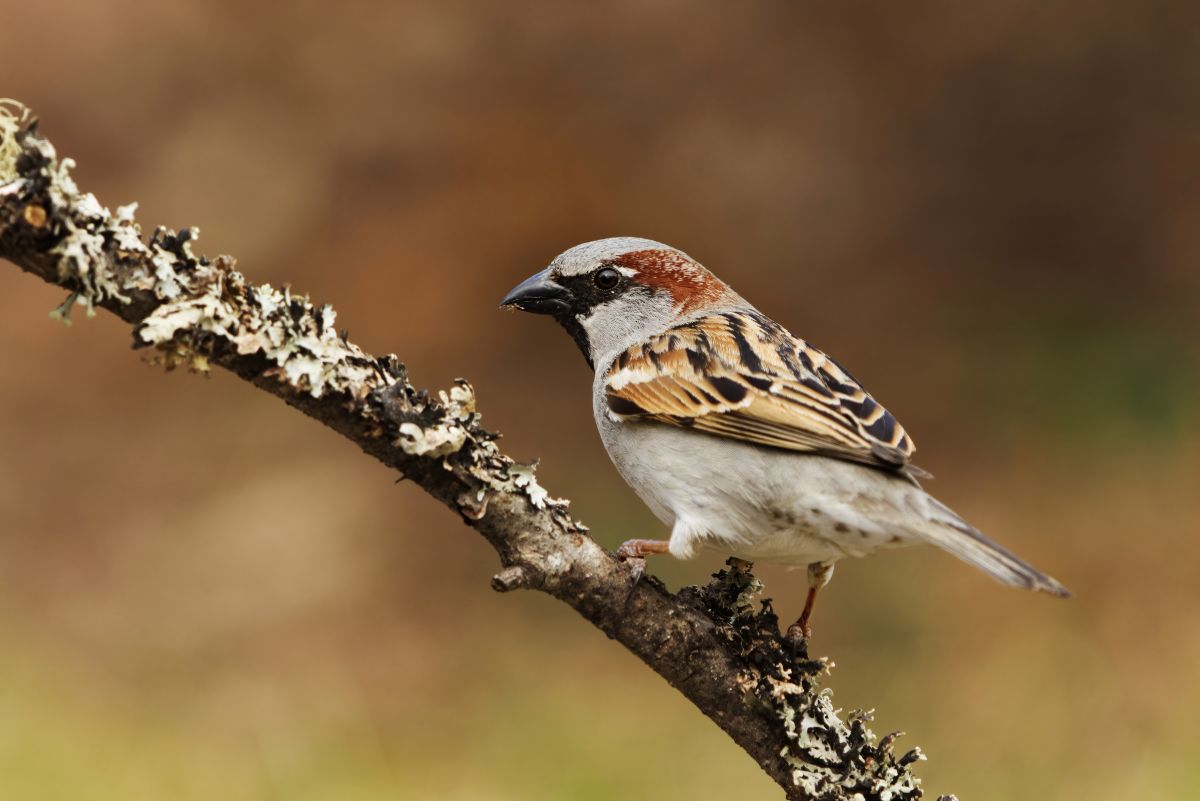
House sparrowHouse sparrow
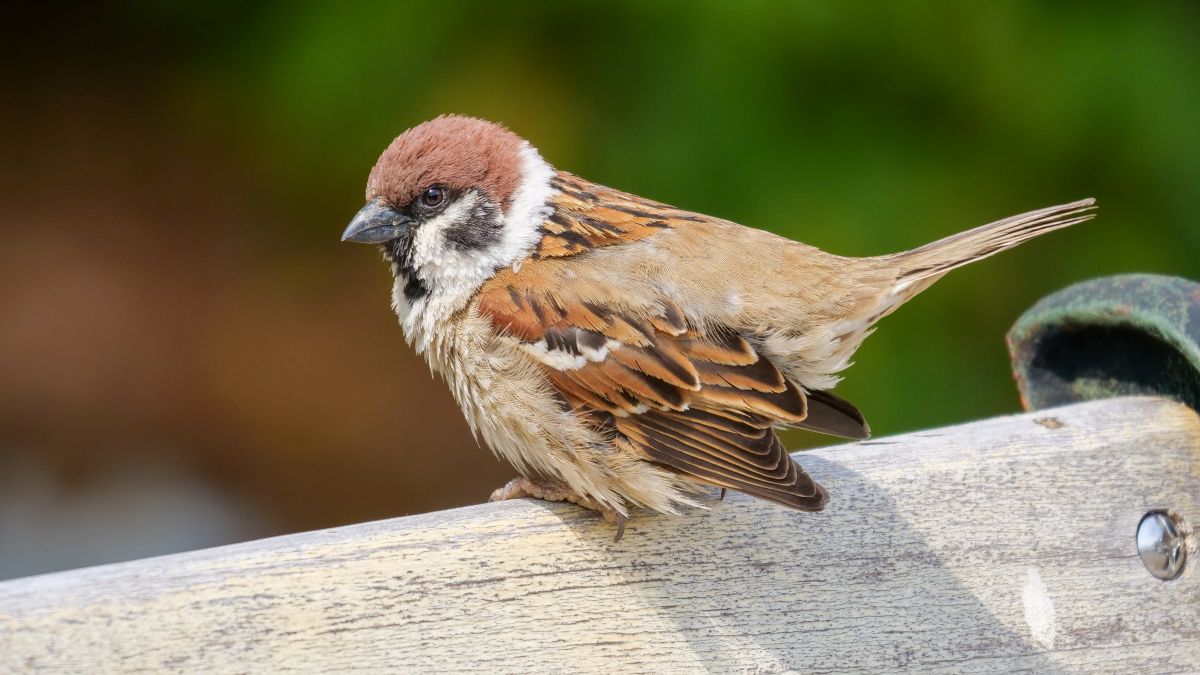
Tree Sparrow and House Sparrow – table of species differences between *Passer montanus* and *Passer domesticus*
The key identifying features are the colour of the head – in the house sparrow it is grey (the entire crown), while in the tree sparrow it is brown. The tree sparrow has a characteristic black spot on its white cheek, which the house sparrow lacks. The male house sparrow is slightly larger than the tree sparrow and has more contrasting plumage (sexual dimorphism is visible).
Feature/Phrase
House sparrow (Passer domesticus)
Tree Sparrow
Top of the head
Grey
Brown
A spot on the white cheeks
Break
Current
Sexual dimorphism
Visible (male/female)
Faintly visible
Size
Larger 14 – 18 cm
Slightly smaller 12 – 14 cm
Wings
One strip
Two stripes
Favourite nesting sites
Building crevices, nesting boxes
Undergrowth, hollows, nesting boxes
Feeding chicks
Insects
Insects, sunflower seeds
Male and female robin – differences
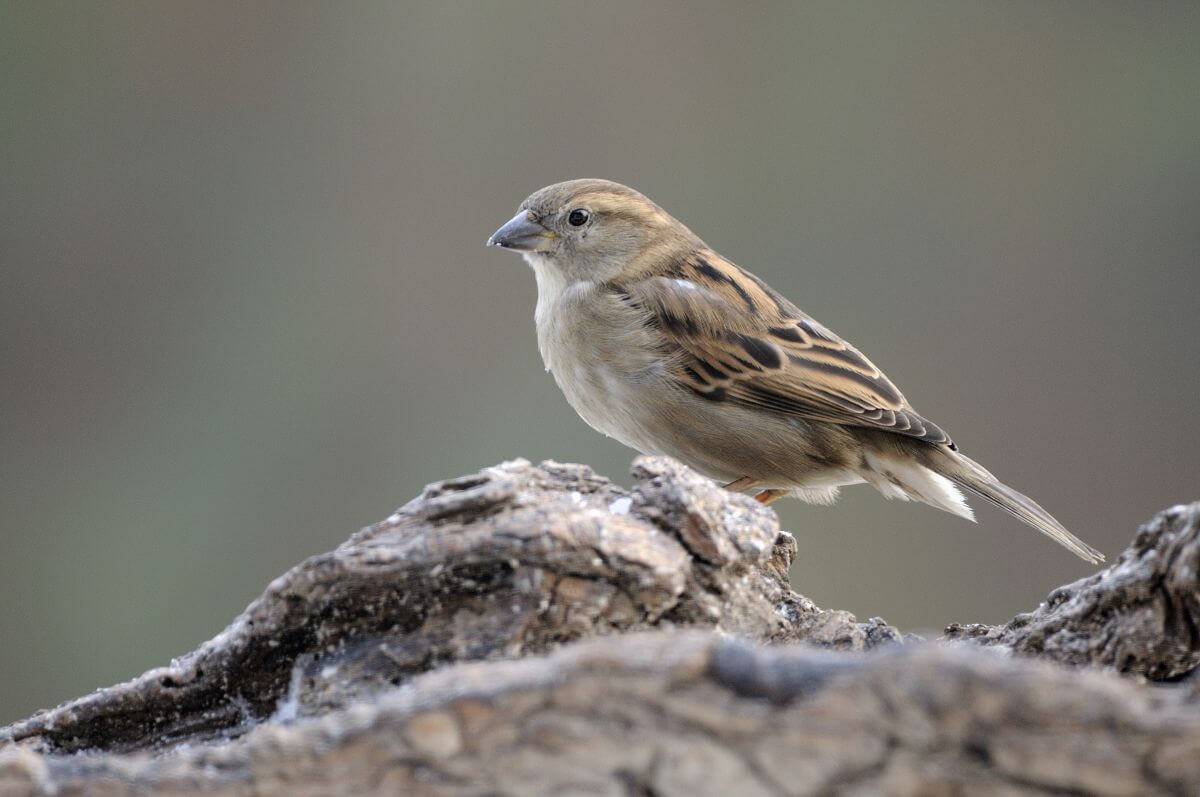
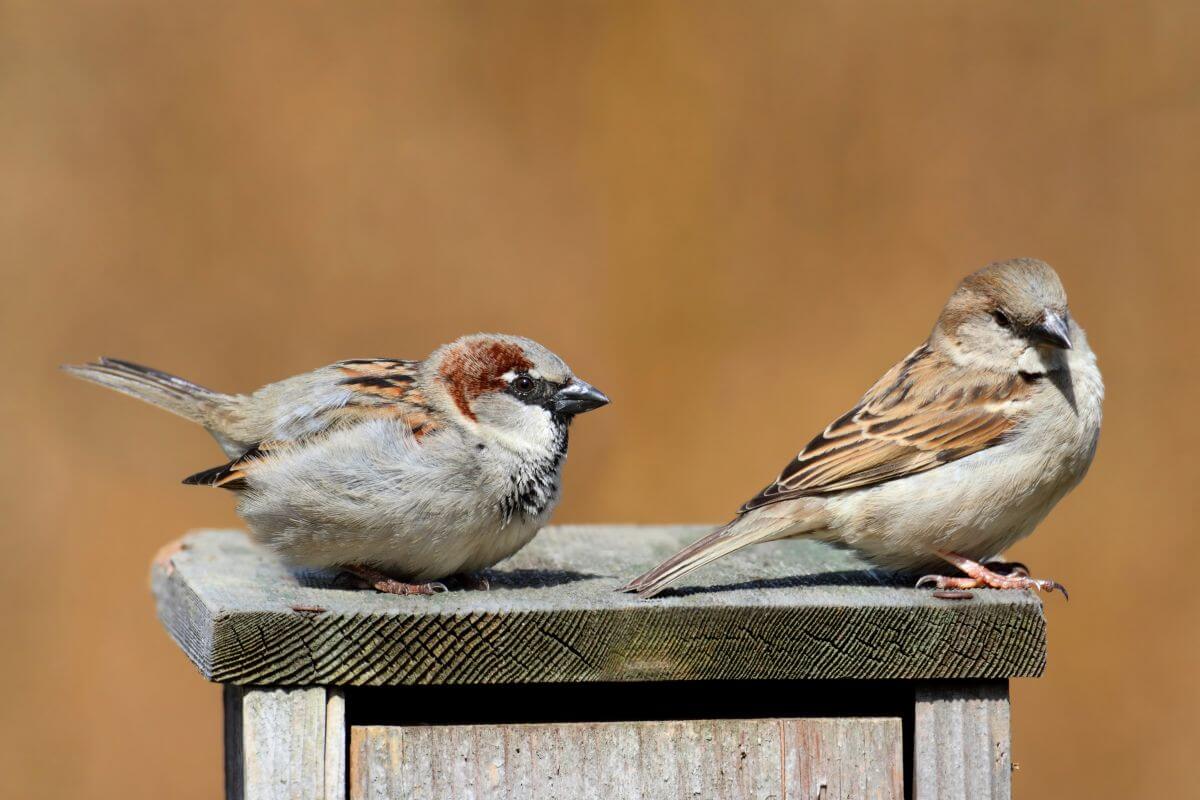
The male house sparrow exhibits distinct sexual dimorphism – it has a grey cap, chestnut nape, a black bib, and a white cheek highlighted by a pale line. The back and wings are dark brown with black streaks, and the belly is pale. The female is smaller and less colourful – her plumage is greyish-brown, more uniform overall, lacking distinct contrasts on the head.
Female sparrowMale and female sparrow
Sparrow and chaffinch – what to feed them in the garden?
House sparrows and tree sparrows, like other birds, are often fed by people in winter. Both species readily use feeders, where it's worth offering sunflower seeds, a mix of grains, finely chopped fruit, and also insects, e.g. mealworm larvae. Feeders placed in gardens and on balconies, as well as nesting boxes, provide shelter for the winter and a place for raising chicks. In spring, parent house sparrows and tree sparrows feed their young mainly with insects.
House sparrow and tree sparrow – summary of key differences
The sparrow and the tree sparrow are two species of immense importance to Polish nature, which, thanks to their adaptation to urban life, are found in large numbers throughout the country. Good recognition of both birds, their plumage, and their dietary preferences allows us to care for their welfare all year round. Not only in gardens but also in urban parks, these birds play an important role in the ecosystem and delight bird lovers' eyes.
FAQ – Frequently asked questions about the house sparrow and the tree sparrow
How to distinguish a house sparrow from a tree sparrow?
The house sparrow (passer domesticus) has a grey cap on its head and no black spot on its white cheek, whereas the tree sparrow (passer montanus) has a brown head and a characteristic black spot on its white cheek.
Where do house sparrows and tree sparrows build their nests?
Both species readily use building crevices, tree hollows, and nest boxes, which can be placed in gardens to aid their reproduction.
The male sparrow differs from the female in its plumage. Males typically have a darker throat and breast, a more colourful head with a black bib, and black wing bars. Females are generally duller in colour, with a streaky brown and grey appearance and no distinct bib.
The male has more intense plumage with a grey cap and a black bib under its throat, while the female is less colourful, with uniform grey-brown plumage.
What do sparrows and tree sparrows eat?
They feed on seeds, grains and insects, especially when feeding young. In winter, they readily make use of supplementary feeding in feeders.
Are sparrows sociable?
Yes, they form large social groups, often seen together while foraging and resting, which provides them with safety.
How can I help sparrows and finches in winter?
It’s worth setting up a feeder with sunflower seeds, seed mixes, and providing fresh water. Installing nest boxes is also a great help to these birds.

 English
  Polish
  Russian