As winter approaches, more and more people are choosing to get a bird feeder to support the birds in their area and enjoy their presence in their gardens or on their flat balconies. Selecting the right bird feeder allows one to attract different species and ensures the birds' safety and access to food, which helps them survive the winter.
Types of birdhouses – bird feeders
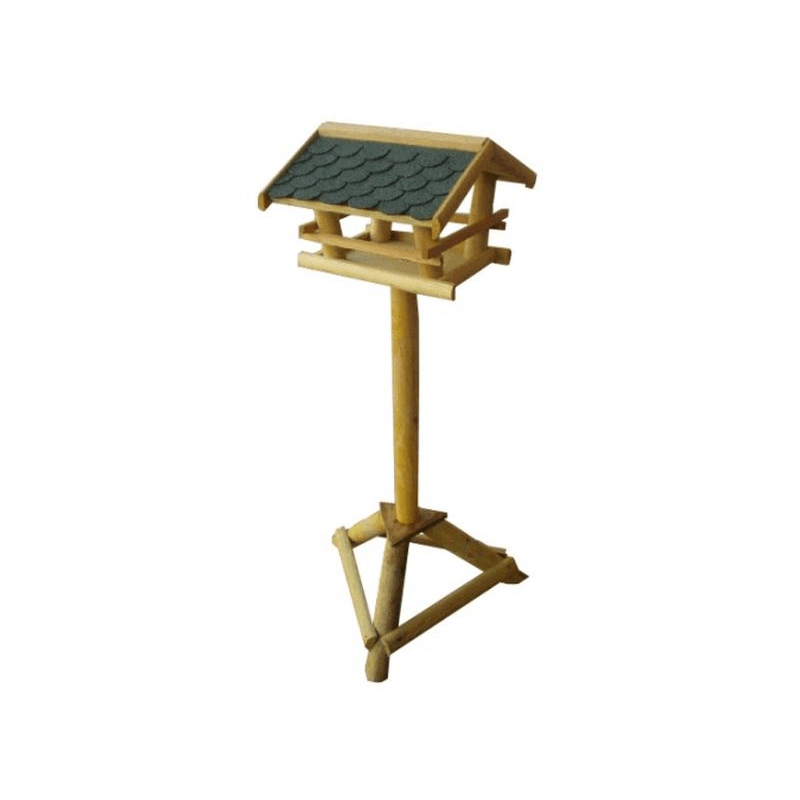
Bird feeders come in many variations: from classic wooden models, through eco-friendly feeders made from recycled materials, to modern window feeders. The wide selection allows you to choose a feeder to suit your balcony, garden, or tree branch. Depending on the species of birds that visit the vicinity of our homes, you should choose the appropriate type of feeder, as well as its location, and select the right bird food.
Eco-friendly feeders – a choice for the conscious
Ecological feeders made from natural materials, such as wood, are not only environmentally friendly but also effectively attract birds to the garden. When choosing such a birdhouse, it is worth paying attention to its durability and ease of cleaning – this way, birds will not be at risk of diseases.
Bird feeders for small birds
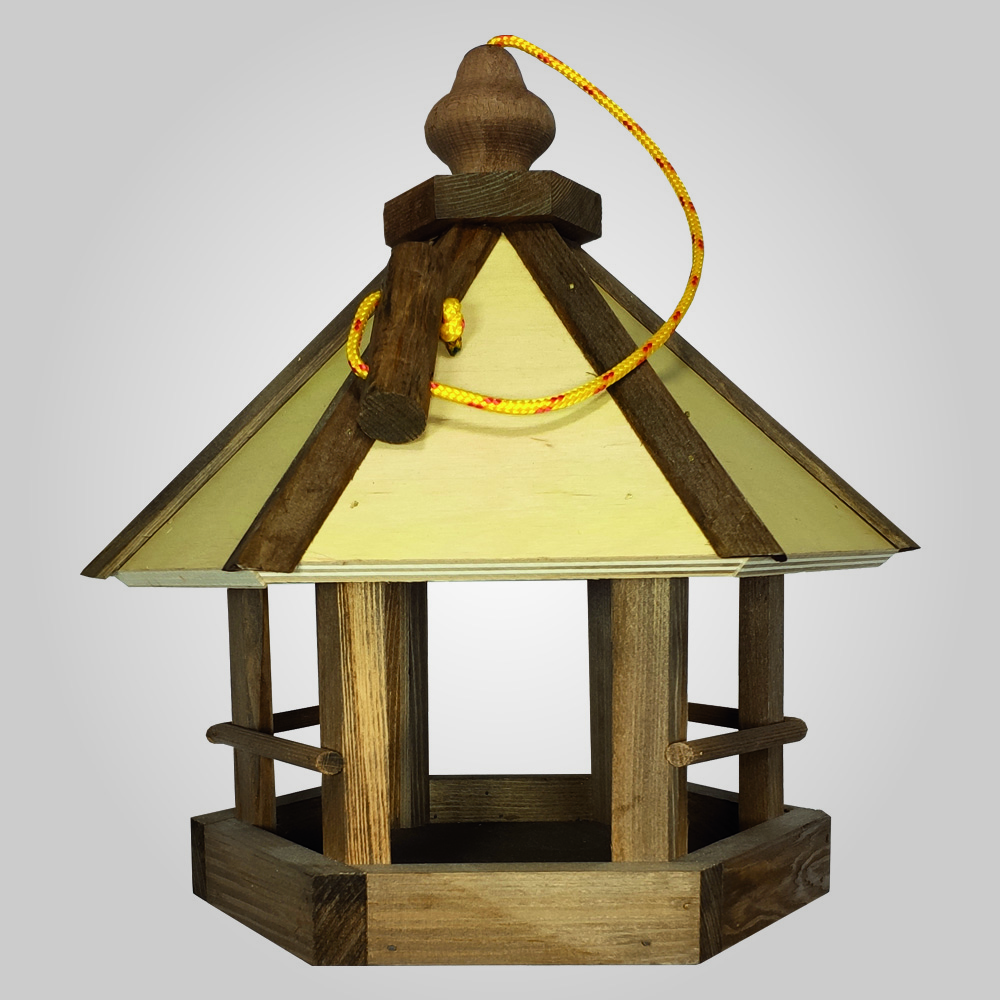
Small bird species, such as titmice, tree sparrows, and house sparrows, most readily use compact feeders, for example, hanging ones, which are ideal for mounting on a balcony. These types of structures are available in our shop's range and work well even in limited spaces, and additionally protect against adverse weather conditions. In winter, during snowfall, it is crucial that the feeder is roofed. This allows birds to have easy access to food.
Mounting a bird feeder on a balcony – practical tips
It’s worth planning the installation of a bird feeder on your balcony carefully to ensure the birds’ safety and comfort. It is best to place the bird feeder in a quiet spot, sheltered from strong winds, but in such a way that the birds are not exposed to sudden movements by household members or the risk of colliding with glass – do not install the bird feeder too close to windows. Hanging the bird feeder on a balustrade or placing it on a stable surface makes it easier for birds to access the food, whilst also protecting them from predators. It’s worth using cable ties, which allow for quick, safe and non-invasive installation. Make sure the bird feeder is securely fastened and won’t tip over in strong gusts of wind. Also remember to ensure easy access to the feeder – so that you can conveniently refill it with food and clean the inside, which is crucial for the birds’ health.
What to put in the feeder?
Popular feeders allow you to feed birds with special seed mixes, nuts or mealworm larvae. Many types of birds love sunflower seeds and oats. An alternative to seeds is fat globules i blocks, which can be attached to the feeder. This allows for a varied diet for birds in winter. Remember to Do not feed the birds bread It's harmful for them. With the right food, you'll attract a variety of bird species and help them survive the winter when food is scarce. In our shop, you'll find ready-made seed mixes and fat balls. As a producer of bird food, we place great importance on quality. We encourage you to browse our selection.
Feeding stations – Turdus offer
In our offer, you will find bird feeders for both the garden and the balcony. All are covered, and thanks to various shapes and sizes, you can choose a feeder to suit the space and mounting capabilities on your balcony.
Summary – choosing a bird feeder
By choosing a bird feeder, you're not only investing in the presence of birds on your balcony or in your garden, but you're also helping birds survive the winter. The wide selection of available models means that everyone can find a suitable feeder – whether for the garden or the balcony. Enjoy the sight of diverse bird species and the positive impact on local populations.
FAQ – Frequently asked questions about bird feeders
What type of bird feeder should I choose for my balcony?
For balconies, hanging bird feeders or lightweight versions that can be safely attached to the railing work best. When choosing a model, remember to consider ease of cleaning and the birds' safety.
Can you make a bird feeder yourself, or is it better to buy a ready-made one?
Both making your own bird feeder and buying a ready-made one are good solutions. When choosing or building a bird feeder, it's important to ensure adequate protection from the weather and practical mounting.
What food can be put in a bird feeder?
Birds can be given: shelled sunflower, nuts (unsalted), Seed mixes, fat balls, groats, and in winter – fresh, finely chopped fruit. You must not put out bread, leftover meals, cake, or salted products – they can be harmful to birds.
How often should a bird feeder be cleaned?
The feeder should be cleaned at least once a week (even more often during periods of intense feeding). Leaving old, mouldy food remains risks disease among birds and will cause them to stop using the feeder.
Should feeding be carried out all year round?
It is recommended that Feed the birds mainly in winter – during periods of natural food scarcity. In spring and summer, most wild species forage for themselves, and supplementary feeding can disrupt their normal natural behaviours.
On a balcony, a bird feeder should be mounted at a height that is easily accessible for birds but also safe and convenient for you to refill and clean. Generally, a height of 1.5 to 2 metres (5 to 6.5 feet) is recommended. This height helps to deter predators like cats and squirrels, while still being manageable for refilling.
The feeder should be mounted at a minimum height of 1.5 metres above the ground, preferably near the balcony railing, but not right by the window. This will give the birds free access, and you will conveniently refill the food and maintain cleanliness.

 English
  Polish
  Russian