Hedgehogs - where do they occur and how do you care for them?
What species of hedgehogs are found in Poland?
Hedgehogs are one of the most recognisable and lovable wildlife animals in Poland. In the minds of many people, they function as cute, spiky creatures of a brown-black colour that can be seen in our garden or forest at night. However, do we know exactly which species of hedgehogs are actually present in our territory? In this article, we will take a closer look at the different species of hedgehogs that we can find in Poland, I will also discuss breeding hedgehogs, their protection and some interesting facts that may surprise even nature lovers.
Hedgehogs in the wild in Poland - who really lives in our forests?
European hedgehog (western hedgehog) - the most common inhabitant of our forests
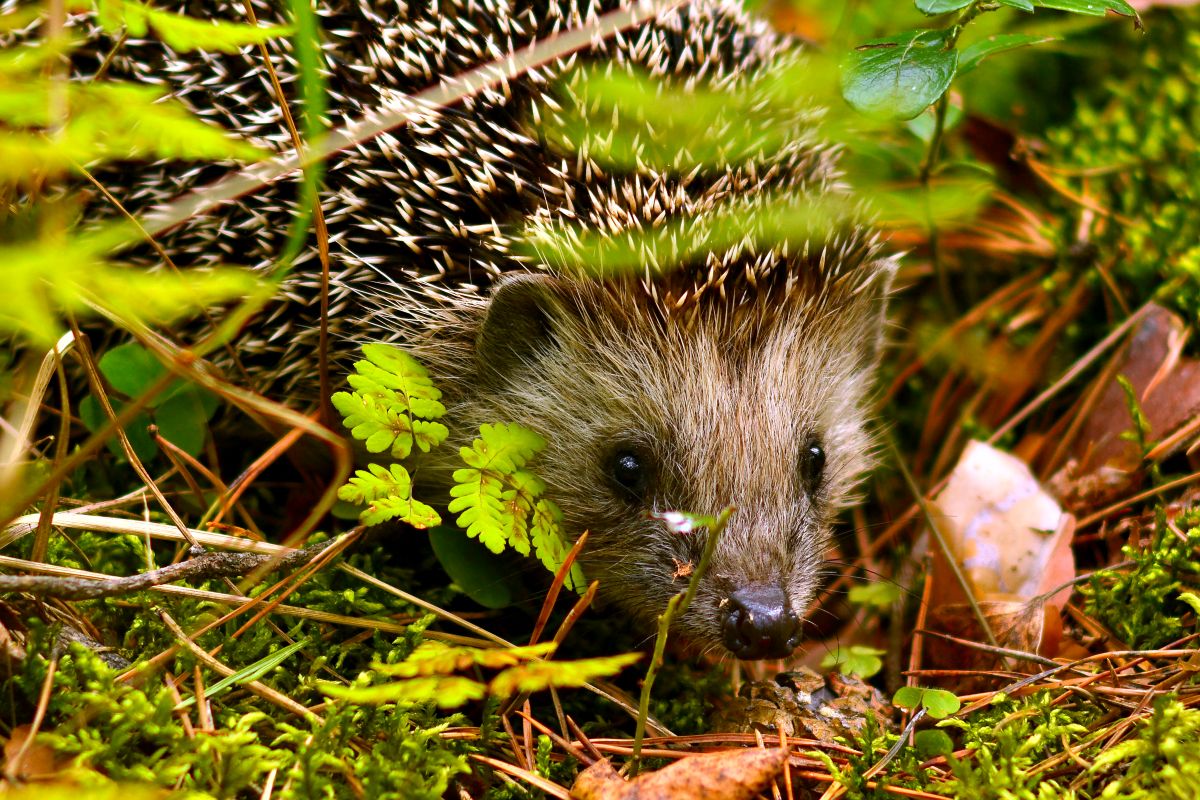
In Poland it occurs naturally mainly European hedgehog, also known as jwestern or Polish (Erinaceus europaeus). This is the species that is most widespread and found almost everywhere - from dense forests, to urban parks and gardens, to the outskirts of cities. The western hedgehog is characterised by the grey-brown colouration of its spines, which provide it with excellent protection against predators. During autumn, in preparation for its winter sleep, the Europes hedgehog can weigh from 600 grams to even over one kilogram, storing the fat necessary to survive the winter.
Eastern hedgehog - species found in eastern Poland
The second naturally occurring species in Poland is the Eastern hedgehog (Erinaceus roumanicus). Its range is mainly in the eastern and south-eastern regions of the country. Although very similar in appearance to the European hedgehog, differences can be seen in the shape of the head and the details of the colouring of the spines, which are less contrasting. Due to the similarity of the two species, distinguishing between them is difficult and requires specialist knowledge.
Coexistence of both species
In practice, although the European (i.e. western) hedgehog and the eastern hedgehog have their own dominant territories, the two species often live close to each other and their habitats may overlap. Many people encountering hedgehogs in Poland do not realise that they may be dealing with two different species. Both the western hedgehog and the eastern hedgehog play an important role in native ecosystems, helping to regulate populations of insects and other invertebrates, as they feed mainly on insects.
Hedgehogs breeding in Poland - Pygmy hedgehog
In addition to wild hedgehogs, the following are gaining popularity in Poland hedgehog farmingespecially for hobby purposes. The most commonly kept species is Pygmy hedgehog (Atelerix albiventris), native to Africa. Unlike our native hedgehogs, it is smaller, often has white-pink or cream coloured spines and slightly different behaviour. The pygmy hedgehog was domesticated and became a popular pet due to its small size and relative ease of maintenance.
In a pet kennel it is a curious animal, although it can be a bit nervous at the beginning of getting used to new conditions. It is worth noting that it requires a special diet and proper veterinary care (which can be very expensive due to its narrow specialisation), so it is important to know its needs well before deciding on such a pet.
It is also worth noting that pygmy hedgehogs are not found in the wild in Polandand should not be released into the wild. Breeding such exotic species requires responsibility and appropriate conditions, as they are not adapted to the Polish climate and environment.
Protecting hedgehogs in Poland - do we need to care for them?
In Poland hedgehogs are partially protectedThis means that hedgehogs cannot be killed, captured or have their habitats destroyed without reason. This protection is due to the fact that hedgehog populations have been greatly reduced in the last few decades, mainly through loss of natural habitats, expansion of road infrastructure and the use of snail poison or pesticides and other chemicals. When driving along parks or forests, special care should be taken.
The most important thing, therefore, is to make sure that when you encounter a hedgehog on your path take care and not interfere with its natural life. In gardens it is a good idea to adopt practices that are friendly to these animals, e.g. leaving natural shelters, avoiding strong insecticides and making sure that hedgehogs have safe passages from place to place. It is a good idea to leave a bowl of water in the garden - not only hedgehogs will benefit from this, but also other animals such as birds and squirrels.
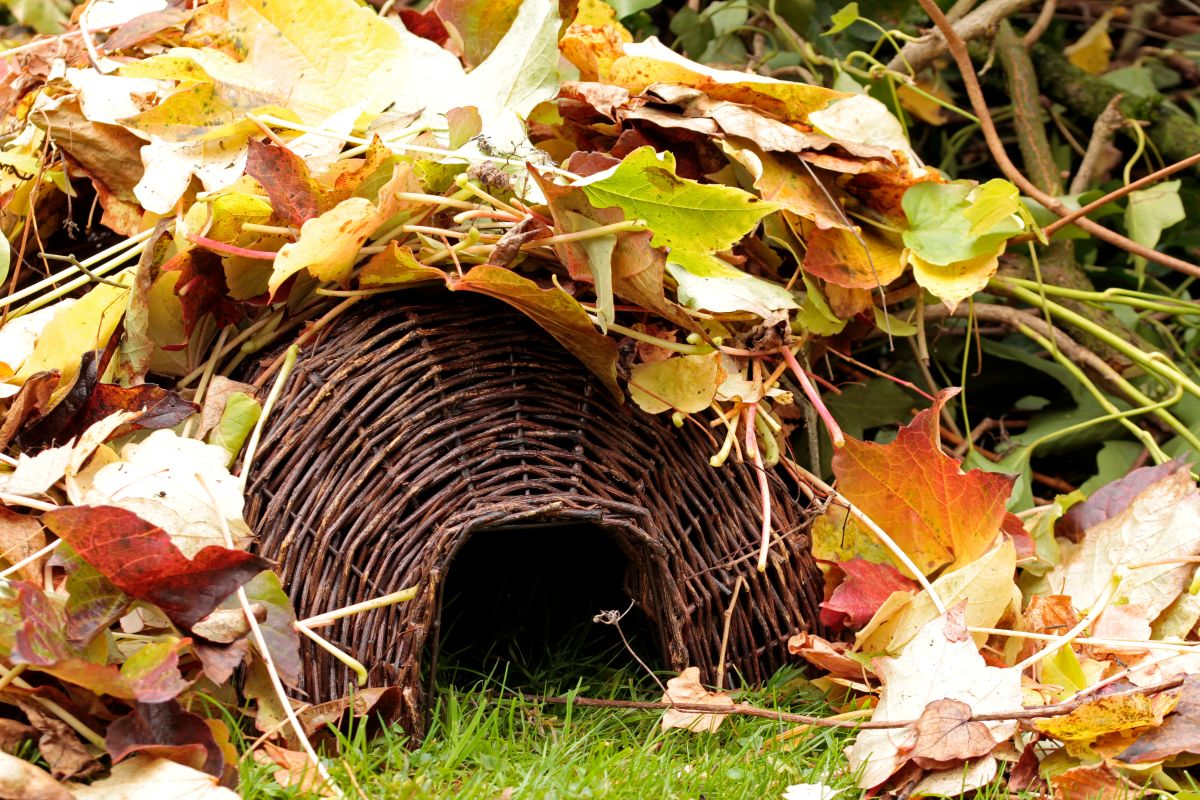
If you want to help hedgehogs survive the winter, you might consider leaving a pile of leaves in a secluded place in the garden-you make it easier for hedgehogs to find shelter.
Wounded hedgehog - what to do?
If you come across a hedgehog that is injured or in danger (e.g. on a busy road) - it is advisable in such cases to contact the local animal protection centre or the municipal police (tel. 986), which can alert a specialist eco patrol or wildlife aid organisation. This way, professional help and treatment can be provided for the hedgehog if necessary. In routine situations, however, it is better not to interfere excessively and let the hedgehogs live their own rhythm.
Do hedgehogs bite and how do they behave?
The question often arises as to whether hedgehogs bite. Well, hedgehogs are rather peaceful animals and non-aggressive towards humans. They bite very rarely, and if they do, it is usually in self-defence when they feel threatened or when caught by their spines. In the wild, their primary weapon is their spines, which are effective in deterring most predators.
Hedgehogs are nocturnal animals, which means that they undertake most of their activity after dark, looking for food such as insects, snails or small invertebrates. It is therefore worth bearing in mind that an encounter with a hedgehog during the daytime may be an indication of poor condition, illness or a young individual just learning to be independent.
Is it okay to touch hedgehogs with bare hands?
Hedgehogs can be touched or picked up in the bare hands, but with great care and only when really necessary. Hedgehogs have a very distinctive and effective defence in the form of spines, which are transformed hairs 2-3 cm long. These spikes are flexible and can be unpleasant and even painfully stinging, especially when the hedgehog curls up into a ball to defend itself against a threat. For this reason, without experience or proper protective measures, grasping a hedgehog with the bare hand can be uncomfortable. In addition, hedgehogs are skittish animals and are easily stressed, which can negatively affect their health. If it is necessary to move the hedgehog, it is a good idea to use gardening gloves or cloth to protect your hands and at the same time avoid hurting the animal. In everyday situations, it is best to observe the hedgehog from a distance and not to touch it, so as not to disturb its natural behaviour and calmness.
Can hedgehogs be fed?
Hedgehog feeding is possible if you know the basics. Hedgehogs should not eat milk, sweets, leftover food or bread - these are deadly for hedgehogs. Hedgehogs can be given cat food, cooked poultry meat or offal in crisis situations. Hedgehogs are omnivorous mammals that feed on snails or insects.
Where do hedgehogs sleep? Shelter is important for hedgehogs
"And in the garden the hedgehog sleeps, wake up hedgehog, wake up," says a popular children's song. Are hedgehogs really happy to choose the garden and do they want to be woken up? Read on and you will find out 🙂 .
Hedgehogs begin searching for a place to sleep for the winter when they have collected adequate fat reserves and when the temperature drops to around 10-15 degrees.
Hedgehogs primarily seek shelter in secluded and well-sheltered places. These are most often dense thickets, piles of leaves, branches, grasses and places under the roots of trees. In their natural habitat, they readily use such nooks and crannies where they have protection from predators and inclement weather. In human-occupied areas, it can also be a backyard, park or garden where compost piles or piles of plant material are present.
Hedgehogs are not territorial animals, so they can sleep in different places, but often return to proven hiding places. In summer the nests are loose and well ventilated, while in autumn and winter hedgehogs build special winter nests that are more solidly covered with leaves, moss and branches to provide warmth during hibernation. Sometimes they dig earth burrows, which also protect them from low temperatures.
When sleeping, hedgehogs usually curl up into a distinctive ball, which protects their delicate body parts from predators while limiting heat loss. In this way, they are able to survive the winter for up to several months. The duration of hibernation depends on weather conditions and the availability of food, but on average lasts about five months (November-April).
When you stumble across a sleeping hedgehog - leave it alone! Attempting to unfurl the hedgehog, i.e. forcing it to straighten up when it curls into a ball, usually ends with the hedgehog returning to its defensive position and curling up again. Waking it from hibernation, can have serious consequences for its health and survival.
Summary
To summarise, in Poland in the wild we can mainly meet the European hedgehog (also called western or Polish hedgehog) and the eastern hedgehog, while the pygmy hedgehog, as an exotic species, is only found in breeding farms. All hedgehogs are protected, and an encounter with a prickly creature need not cause fear - they are usually non-aggressive animals that rarely bite and usually prefer to retreat. Knowing the hedgehog species and their needs will give us a better understanding of how we can help them, as well as an appreciation of their role in our ecosystem.


 English
  Polish
  Russian