Are ducks' feet cold? How do wild ducks cope with frost in Poland
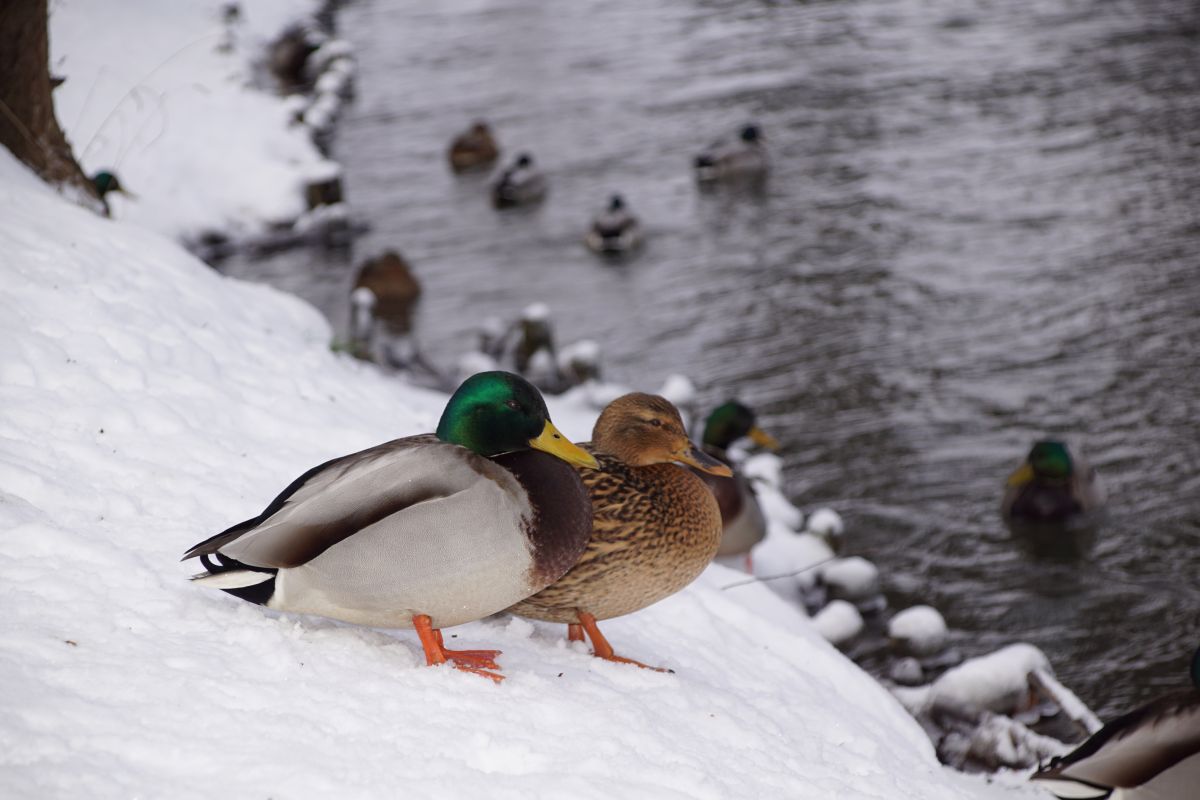
Winter is a time when, strolling by a pond or river, we often wonder: „How do they cope?” The sight of a duck standing on ice with its bare, tiny feet evokes a sympathetic reaction in many of us. Do ducks actually feel the cold? It turns out that nature has equipped them with technologies that outdoor clothing engineers could only envy.
Key takeaways
Heat exchanger Ducks have a system of blood vessels in their legs (a rete mirabile) that prevents heat loss and frostbite.
Natural impregnation Thanks to the secretion from the preen gland, their feathers are completely waterproof.
Wise feeding: Bread is harmful to ducks. In winter, a dedicated [food] works best. duck food, which supplies them with the necessary energy to warm their bodies.
Why don't ducks freeze to the ice?
This is a question that almost every walker asks themselves. The answer lies in biology. Wild ducksthey have a unique circulatory system in their legs, called the 'rete mirabile'wonderful network).
It works like a biological heat exchanger: arterial blood flowing from the core of the body warms the venous blood returning from the legs. As a result, the duck's feet remain close to freezing point, meaning the ice beneath them doesn't melt (so the duck doesn't freeze to it), and at the same time, the bird doesn't waste valuable energy heating its limbs.
Ducks in winter
Pióra chronią przed wilgocią i wiatrem dzięki swojej unikalnej strukturze i właściwościom.
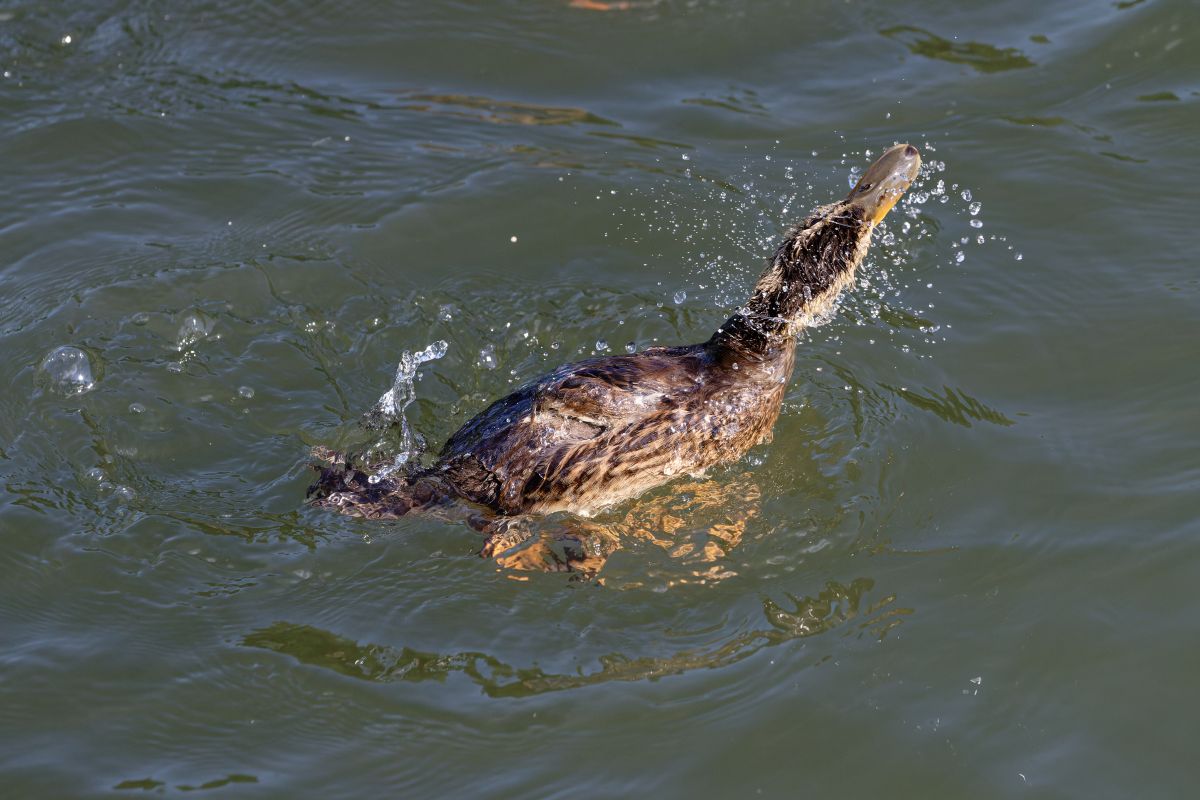
If you're wondering whether a duck gets wet in cold water – the answer is no. Ducks spend a lot of time preening. Using their beaks, they spread oily secretions from their preen gland over their feathers. This acts as a natural waterproofing.
Waterproof layer Water runs off the feathers and doesn't soak in. It's no wonder they say “like water off a duck's back” 🙂
Airbag Beneath the outer feathers, there is dense down that traps a layer of air, creating ideal thermal insulation.
Wind protection The dense structure of the feathers makes the duck almost entirely „windproof”.
When are ducks actually struggling?
Despite excellent physical condition, winter in Poland can be a challenge for birds – mainly due to a lack of access to food. When bodies of water freeze over, natural vegetation and small invertebrates become inaccessible.
That's when Wild ducks they need our support. However, it is crucial that, What we are feeding.
Feeding birds bread – the worst solution!
Although feeding bread is a Polish tradition, it is very harmful to birds. Bread causes stomach acidosis and a condition called „angel wing”, which prevents them from flying. Furthermore, the salt contained in bread disrupts the bird's water balance, which can be fatal with limited access to drinking water.
What to feed ducks in winter to help them?
If you want to genuinely help birds survive the frosts, choose food that is similar to their natural diet. Ideal options include:
Cereal grains (oats, wheat),
Boiled vegetables (no salt!),
Specialist duck food.
Why choose ready-made mixes?
In the shop turdus.pl You will find pet foods developed in collaboration with ornithologists. They are balanced to provide ducks with the high-calorie fuel they need to maintain their body temperature during cold nights. Such food does not sink immediately in water and is safe for the birds' digestive systems.
FAQ – Frequently asked questions about ducks in winter
Do ducks sleep on ice?
Yes, you can often see ducks sleeping on ice with their heads tucked under their wings. They do this to reduce heat loss through evaporation and to protect unfeathered parts of their bodies (beak and legs).
Do ducks fly away to warmer countries?
Some mallards in Poland lead a sedentary lifestyle, especially in cities where the water freezes less often and people provide food. Others only migrate short distances in search of unfrozen rivers.
Where to buy good duck food in Poland?
It's best to look with trusted suppliers who specialise in wild bird nutrition, such as the aforementioned turdus.pl. By purchasing professional food, you can be sure that you are helping, not harming.

 English
  Polish
  Russian