Cat food for hedgehogs - what to feed hedgehogs in the garden?
Why are we even considering cat food for a hedgehog?
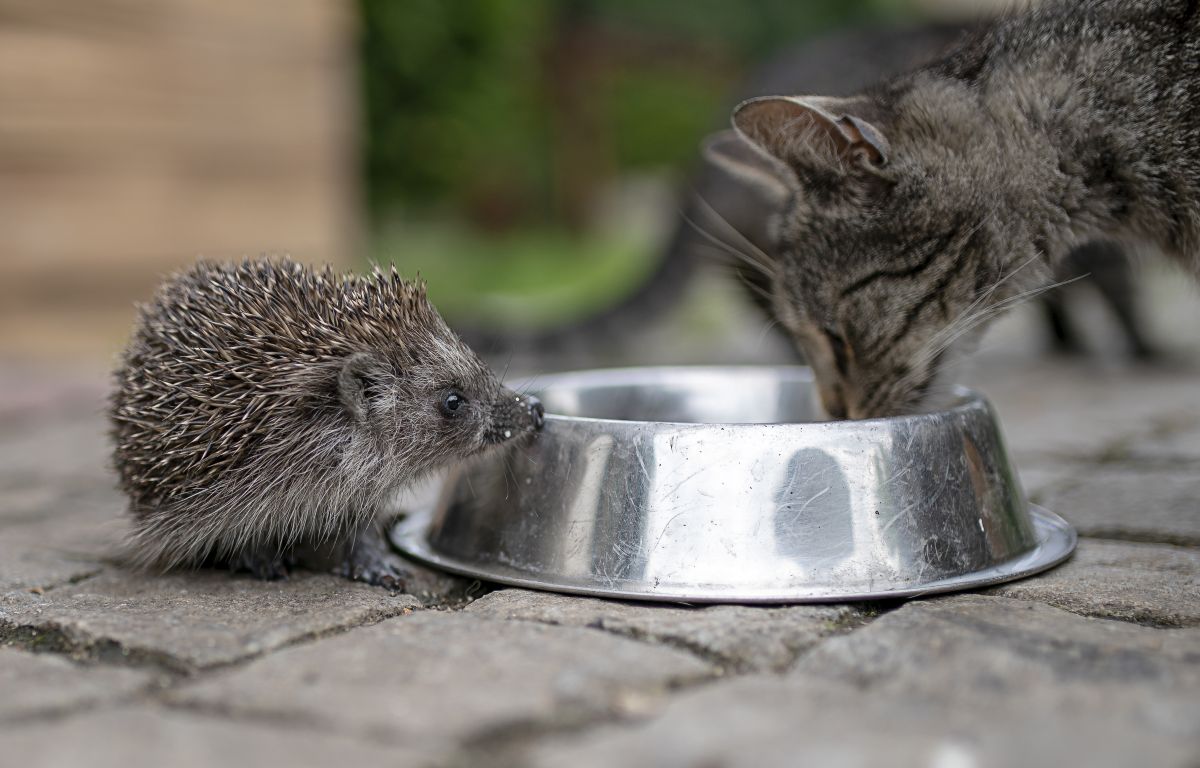
Hedgehogs have long been associated with being friendly allies to gardeners. These small mammals, which wander through gardens at night, eat insects, larvae, and snails, thereby naturally supporting the ecosystem's balance. However, it is increasingly common for people, wanting to help weakened or hungry hedgehogs, to turn to ready-made pet food products. The most popular choice for hedgehogs is cat food – mainly because it is readily available, smells appealing, and is rich in protein. The question is, however: is this actually a good and safe solution?
The natural diet of a hedgehog and the composition of cat food
The natural diet of a hedgehog is based on insects, earthworms, snails, and occasionally small amphibians or bird eggs. This menu is high in protein but also rich in chitin and micronutrients derived from invertebrates. Meanwhile, cat food, while also protein-focused, contains entirely different ingredients – poultry, fish, offal, oils, as well as grains or rice in lower-quality varieties, and sometimes even sugar. These differences mean that cat food does not fully reflect the natural dietary needs of this mammal, and its long-term use can lead to deficiencies. Although a hungry hedgehog might happily eat cat kibble or wet food – it is better to opt for specialised hedgehog food, which will be a valuable meal for them.
Kocia karma dla jeża może być pomocna w sytuacjach awaryjnych lub tymczasowych.
However, not everything can be reduced to a single conclusion. Cat food is sometimes used for hedgehogs in rehabilitation centres and by wildlife enthusiasts, but always as a food ad hoc, and not a permanent fixture of the diet. It is most often served:
young hedgehogs orphaned by their mother, who would be unable to find insects for themselves,
weakened animals during periods of drought, when earthworms and snails are scarce in their natural environment,
hedgehogs preparing for winter hibernation when they need to quickly build up fat reserves.
In such moments, cat food can be a safe addition to the menu, provided that you choose varieties grain-free, high meat content, and without added spices or sauces.
Potential threats and myths
It often happens that people wanting to help reach for the cheapest „supermarket” food. Unfortunately, such products contain a lot of fillers, preservatives, or salt, which are neutral for a cat but can be a burden on a hedgehog's body. It is also a mistake to feed it food in milk – a popular myth that harms hedgehogs. These animals do not digest lactose, which is why milk causes them diarrhoea and dehydration. Therefore, it is worth remembering that even if the choice falls on cat food for a hedgehog, a responsible owner should reach for food as close as possible to their natural diet.
Do hedgehogs eat apples?
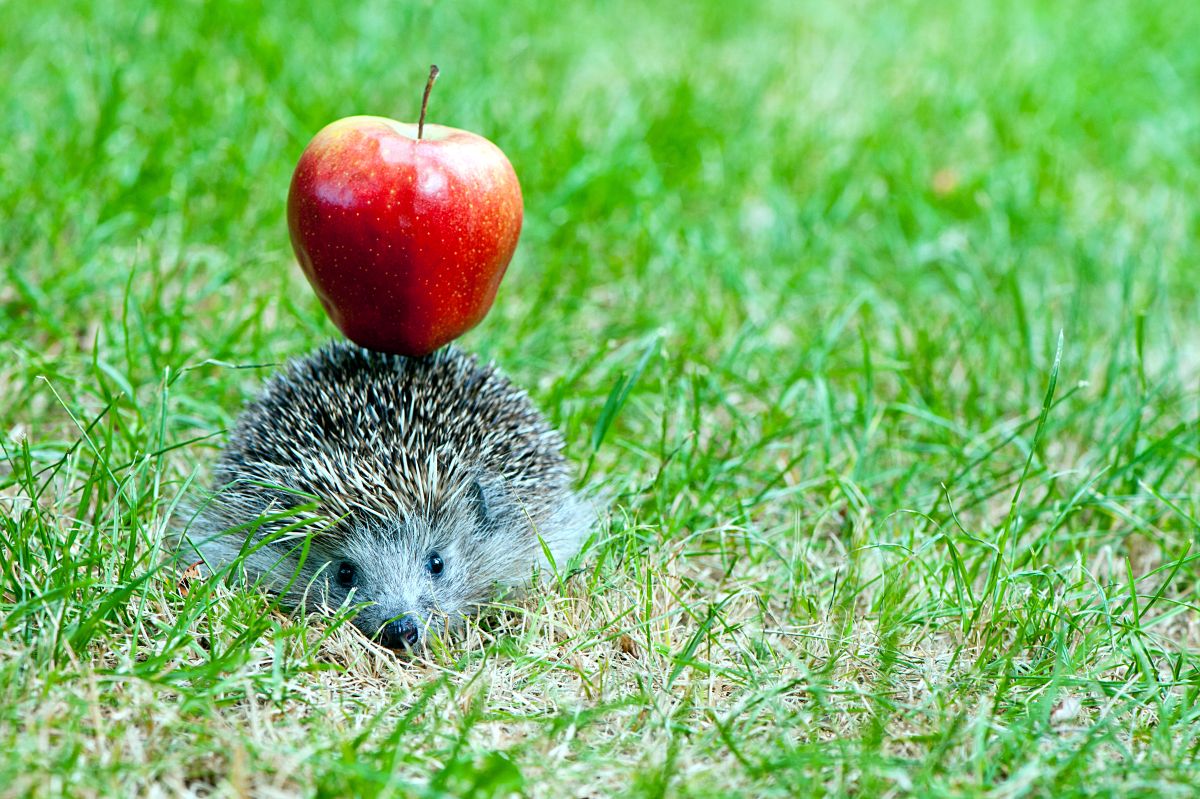
A hedgehog with an apple on its back is a common motif in graphics and animated films. The myth of a hedgehog carrying an apple on its back has a very long history and dates back to antiquity, including the description by Pliny the Elder, but in reality, hedgehogs are unable to carry apples on their quills or collect them. Hedgehogs only reach for apples occasionally, especially if they are already ripe or overripe.
In summary, while hedgehogs can eat apples, they treat them as a rare addition rather than a staple food. As we wrote above, their preferred food is insects, snails, and invertebrates.
What's best to replace ready-made pet food with?
Cat food can work as an emergency solution for hedgehogs, but it’s better to opt for specialised products for everyday feeding. Our shop offers ready-made foods specifically designed for hedgehogs, which are made from dried insects and appropriately selected mineral ingredients. An alternative is dried mealworm larvae, which you can buy from us. Such solutions provide hedgehogs with a diet that is as close as possible to what hedgehogs would eat in the wild.
Hedgehogs are sometimes also given cooked poultry or offal (e.g. chicken hearts). These are a good and safe food for hedgehogs, provided they are given without salt, spices, or fat. It is best if the meat is finely diced or minced so that the hedgehog can eat it easily. It is worth freezing and then defrosting it before serving to eliminate the risk of parasites. Poultry meat, such as chicken or turkey, provides valuable protein and amino acids that are important for the health of these animals. Similar to cat food, this is an emergency and temporary solution.
How to look after hedgehogs in the garden – a safe place is essential
When you see a hedgehog in your garden, it's definitely worth helping it. To help wild hedgehogs, we shouldn't limit ourselves to just food. It's equally important to create a safe environment for them. Leaving a corner of the garden with leaves, branches, and uncut grass will allow hedgehogs to shelter during the day and will provide a natural refuge.
Fresh water is often more of a help than food itself. Place a bowl of clean water in your garden in a shallow dish so that hedgehogs can drink from it comfortably.
It's also worth remembering to avoid using slug pellets in the garden and any pesticides that could indirectly harm these and other animals.
It is worth remembering that these are wild animals, we recommend observing them from a distance.
Summary – Is cat food a good idea for hedgehogs?
Occasionally fed, high-quality cat food will not harm hedgehogs, and in some situations may even save a weakened animal's life. However, it is not the best long-term solution, as it does not fully meet the nutritional needs of the spiny inhabitants of our gardens. It is most sensible to treat it as emergency assistance and supplement the hedgehog's diet with more natural products, such as insects or specialist foods for wild animals. Conscious support and wise supplementary feeding offer a chance for hedgehogs to remain a permanent and healthy part of our environment.
FAQ – Frequently asked questions
What do hedgehogs eat?
Hedgehogs are omnivorous animals. Their diet is dominated by insects, such as beetles, ants, and cockroaches, as well as larvae, flies, and earthworms. They supplement their food with molluscs, for example snails, and also sometimes small rodents, frogs, birds, and their eggs.
Can hedgehogs drink milk?
No, hedgehogs do not tolerate lactose, and giving them milk results in diarrhoea and dehydration. The best drink for a hedgehog is always fresh water.
Is cat food safe for hedgehogs?
Yes, but only occasionally and in a grain-free version, with a high meat content, without added spices or sauces. It should not be the basis of a daily diet.
What food is best to buy for a hedgehog?
Specialist hedgehog foods based on natural ingredients work best. Dried insects, such as mealworms or crickets, can be a good supplement. Such ready-made food will provide natural minerals.
When can hedgehog food be given to a cat?
Cat food is mainly given to hedgehogs in emergency situations: to young orphaned hedgehogs, to animals before winter, or to weakened ones during a drought.
What to avoid when feeding hedgehogs
It is unacceptable to give hedgehogs milk, sweets, leftovers of human food, bread or spiced dishes. They can harm the animal's health and even lead to its death. Hedgehogs do not digest lactose!
What to feed a hedgehog in the garden
The best solution is to buy specialised food designed for hedgehogs. This is dry food in the form of kibble or a loose mix, which is similar in composition to their natural diet.

 English
  Polish
  Russian